
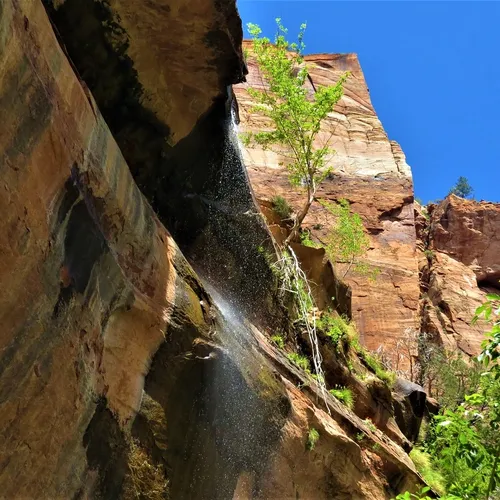
The Kaieteur National Park is the first-ever created in the Amazon Region. Established in 1929, the Park is known mostly for the Kaieteur Falls, a 226-metre (741 ft), single-drop waterfall. This combination of height and volume makes the Kaieteur Falls the most powerful single-drop waterfall on the planet. The Park itself spans over 62,000 hectares and is teeming with biodiversity. It is the most famous tourist attraction in Guyana. Thousands of tourists flock there annually to glimpse the majestic falls and all the surrounding natural wonders.
Sitting on the Ireng River in the Potaro-Siparuni Region of Guyana is Orinduik Falls, an enigmatic body of water that falls lavishly down red jasper steps and terraces and flows on the border of Guyana and Brazil. Considered ideal for swimming, the site boasts a 25-metre tall waterfall with a body more than 150 metres wide. The area is home to the Macushi and Patamona people and lies at the edge of the grand Pakaraima Mountains.
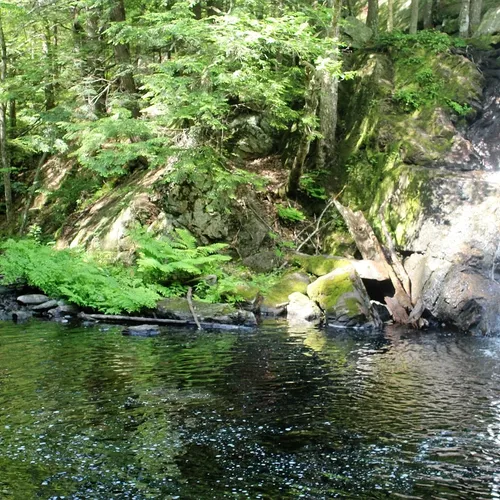
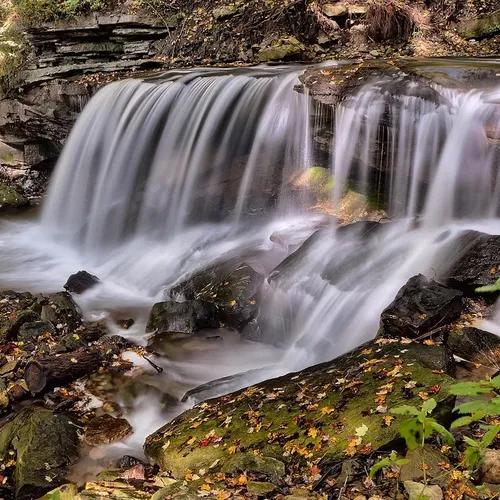
Your visit to Guyana is incomplete without immersing yourself in the dynamic and bustling Georgetown, Guyana’s capital city. With the majority of the country’s population calling this city home, Georgetown – “The Garden City”- is busy with activity in all areas of business. There’s much to see in the ancient city, including its quaint architectural design, which is a visible connection to its 18-century colonial origins. Sights to visit include the St George’s Cathedral, Parliament Building, State House, the Botanical Gardens, Promenade Gardens, the Georgetown Lighthouse, City Hall, the Umana Yana, much more! Guyana is also a melting pot of cultures where citizens and tourists converge for business and pleasure, making this city ripe for recreational and business activities.
Dubbed “The Mining Town”, Linden is the second-largest city in Guyana and is located on the upper Demerara River. Linden is known for its commercial bauxite mining, which began in the early 1900s, the history of which is detailed in the Linden Museum of Socio-Cultural Heritage. The town has a rich and colourful history with its vast untouched forested woods and early Dutch influence. Sprinkled throughout the town and its outskirts is a long list of natural creeks and resorts that make the perfect out-of-town getaway for adventure-seekers.
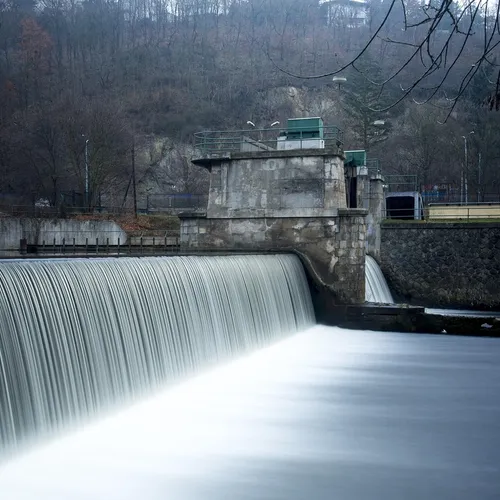
This small port town is a gateway to the western half of Guyana, with its ferry service offering trips to Bartica, Leguan Island, Wakenaam and Supenaam and smaller speedboats traversing passengers to and from the smaller pockets of the Essequibo River. Parika itself boasts a sizeable marketplace with over 700 merchants. Sunday is the busiest day of the week for this lively little town when the market comes alive. Businesses usually close on Wednesdays while Sunday is a regular business day for the locals to facilitate this pattern. Enjoy local cuisine, shopping and the opportunity to explore the mighty Essequibo during your trip to Parika.
Situated at the head of the Essequibo River, Bartica sits amid Guyana’s tropical rainforests, where the Essequibo, Mazaruni, and Cuyuni rivers meet. Its name means “ red earth”, and it is known as the gateway of Guyana’s interior region. Bartica is an anchor for gold and diamond miners and other professionals working in the interior. The town is home to the famous Easter Regatta and boasts some Brazilian attractions stemming from its growing immigrant population. North of the town is the Dutch Kyk-Over-Al fort, while it is also relatively close to other Essequibo resorts like Baganara and Whitewater
New Amsterdam is Guyana’s oldest town and has a history that spans from its origin in 1733, when the name was given to a small village that developed around Fort Nassau. The town is located about five miles from the Berbice River. It is connected by highway to Rose Hall, Corriverton and Crabwood Creek. This port town still has many hints of its original Dutch architecture and is abundant with industrial activity. It is also home to the Mission Chapel, which has been designated a National Heritage Site.
Anna Regina was established as a town in 1970. It is the capital of the Pomeroon-Supenaam Region of Guyana and stands on the Atlantic coast. In the early 1800s, Anna Regina was the home to a Dutch plantation before turning ownership over to an Englishman who had two daughters: Anna and Regina. The town is not short of its historical attractions like the Damon Monument, Aurora Chimney, Anna Regina Bridge and St. Bartholomew’s Anglican Church. Tourists may be most attracted to the signature Mainstay Lake and Capoey Lake nearby
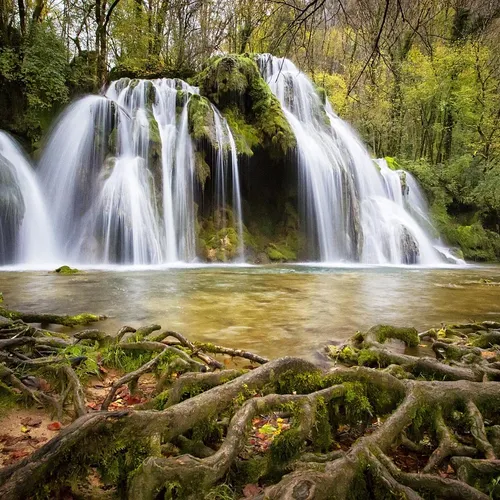
It can be argued that the Kanuku Mountains are where Guyana’s greatest and wildest, untouched beauty can be observed. Located in the Upper Takutu-Upper Essequibo region, Kanuku means ‘forest’ in the Wapishana language, and the mountains are a designated protected area in Guyana. It’s a great destination for lovers of the outdoors who will experience a burst of wildlife due to its unusual combinations of forest, savannah and wetland. A visit to this location may bring you face to face with some of Guyana’s “ giants”: the Giant River Otter, Harpy Eagle, Giant Anteater, Black Caiman and Giant River Turtle.
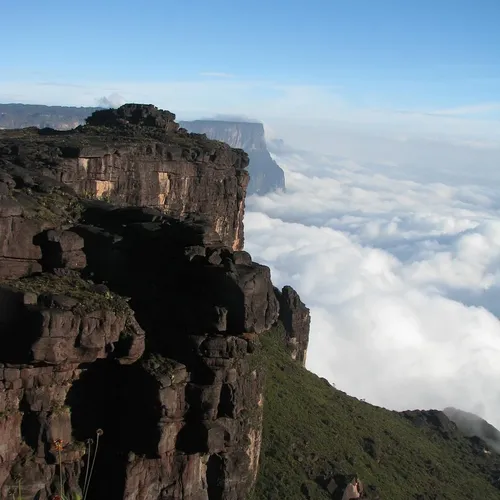
Mount Roraima is the highest of the Pakaraima chain of tepui plateaus in South America (tepui is the highest landform in Guyana). It sits on the border of Venezuela, Brazil and Guyana and, with its “ table-top” shape, is considered to be among the oldest geological formations on earth. The name of Mount Roraima came from the native Pemon people. Roroi in the Pemon language means “blue-green”, and ma means “great”. With a breathtaking landscape and its majestic formations, once you’re up for the adventure, you’re in for an intriguing treat
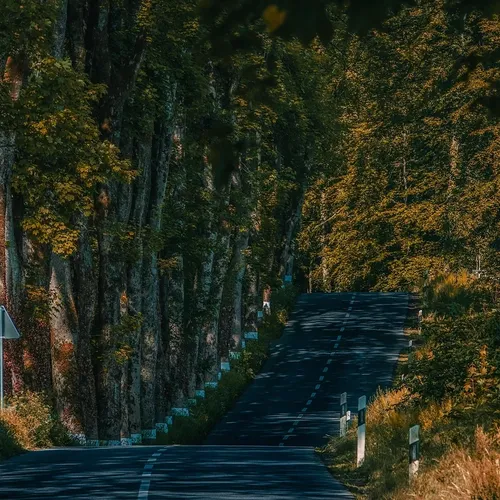
For environmentalists, Iwokrama is almost a mecca for eco-tourism and sustainability. Located in the heart of Guyana, Iwokrama is governed by an International Board of Trustees and also falls under the Patronage of His Royal Highness, The Prince of Wales.
Iwokrama is a dedication by the Government of Guyana of nearly one million acres of intact tropical rainforest to the International Community. This dedication serves as an example of how tropical forests can be conserved and sustainably used for ecological, social and economic benefits to local, national and international communities.
A visit to this magical attraction offers you a walk along the historic Canopy Walkway, visits to Turtle Mountain, or you can indulge in birding, canoing, jaguar spotting or one of the many designated trails.
This small town is located on the Atlantic coast in East Berbice-Corentyne, Guyana. Port Mourant is popularly known as the birthplace of the late president Cheddi Jagan as well as many of Guyana’s most famous cricketers. The town was originally a sugar estate, and to date, the sugar industry remains a main source of employment. A visit to this town gives an excellent taste from the melting pot of Indo- and Afro-Guyanese cultures and practices.
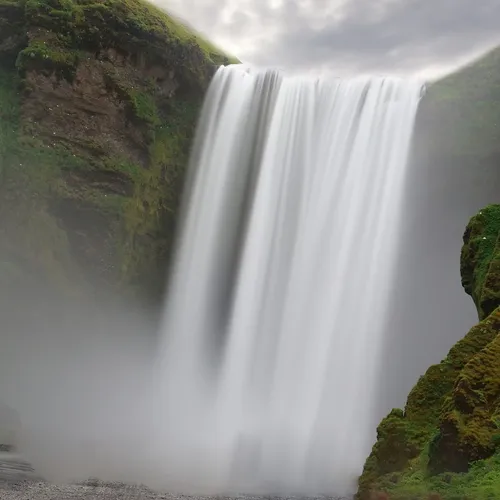
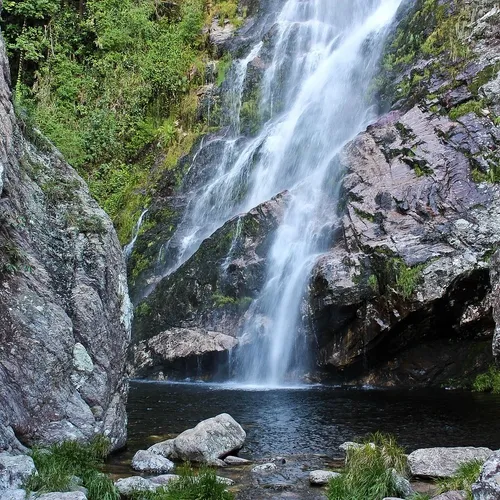
Shell Beach is a protected area of Guyana located in the northwest part of Guyana, in the Barima Waini Region. Stretching over 120 kilometres (75 miles) of beach and mudflats, the area is best known as the nesting site for four endangered sea turtles: Leatherback, Green, Hawks Bill and Olive Ridley. The area is also a major birding area, supporting more than 200 coastal and migratory bird species. This is a great location to observe Guyana’s intact biodiversity.
Fair View Village is a small Indigenous settlement which lies a few kilometres upriver from the Iwokrama River Lodge and is the only community located within the Iwokrama Forest. Known historically as “ Kurupukari”, Fair View is located adjacent to the Linden-Lethem Road. The Macushi people are the inhabitants of this village, and they willingly share their traditional culture and history with visitors. A visit to this village can also take you on a trip to see the nearby petroglyphs, indigenous works of art estimated to be over 6,000 years old.
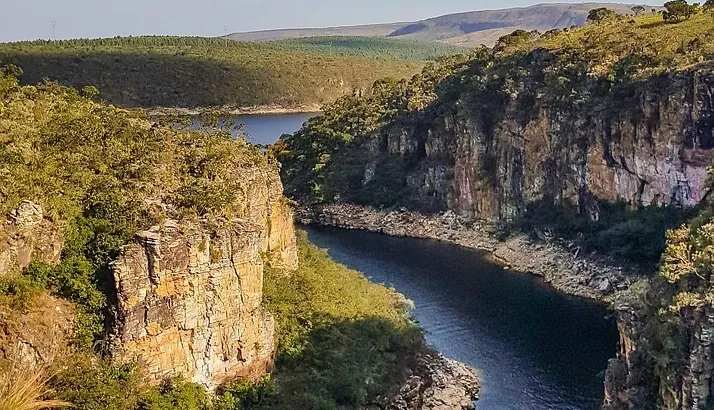
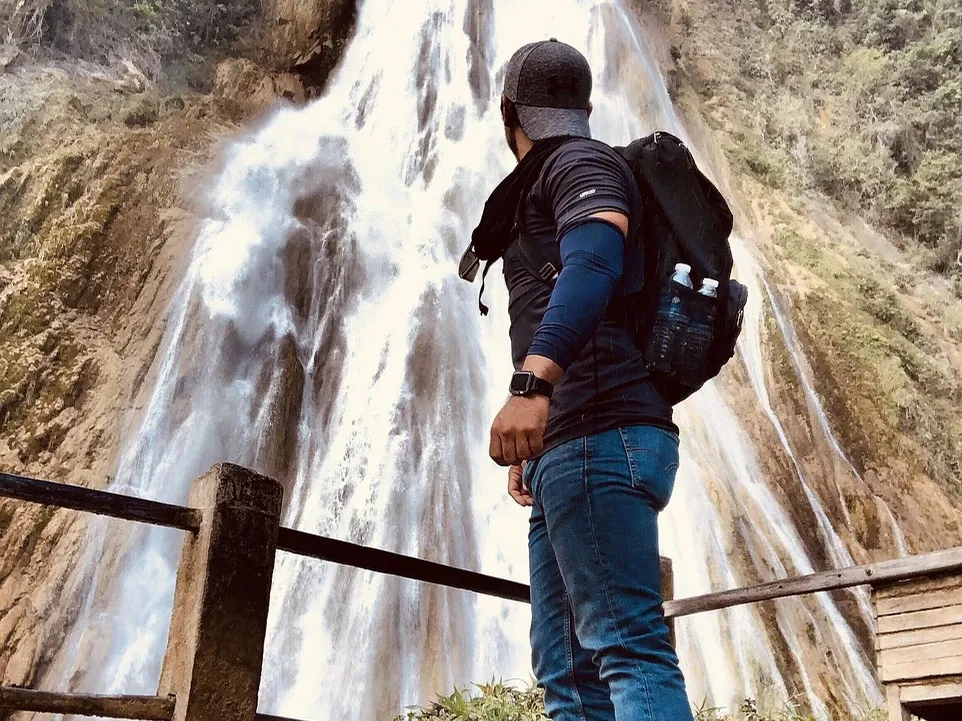
Kamarang is an Indigenous village standing at the confluence of the Kamarang River and Mazaruni River, in the Cuyuni-Mazaruni Region of Guyana. The small village has seen extensive economic growth at the start of the 21st century because of gold and diamond mining. Visitors will get a taste of the tranquil life while indulging in traditional Indigenous cuisine and culture.